Handmade Pixels Reader
Hi.
Interviews with the creators of early video games have one thing in common: the developers are asked how the game was made but never how it was invented. And that is understandable: when Tennis for Two, the first game available to the public, was first displayed on an oscilloscope, it was supported by the incredibly complex equipment developed at the Brookhaven National Laboratory. It was thought of and experienced not so much as entertainment but as a technological breakthrough.
Today, game development is still seen primarily as a technological challenge: games have to make use of new technology, show the most frames per second possible, feature the most realistic graphics, and take so much space on the hard drive that every player will know that this game is really heavyweight stuff.
This technology race is accessible to an elite club of several dozen studios from across the world, those which have sufficient resources, access to technology, and huge teams to produce big and successful games. Others have to compete in different ways: offering their own artistic vision, an unusual system of values or telling an inspiring if very typical story of a team who followed their dream, did not eat or sleep for several years and, after a lot of suffering, finally produced their Game with a capital G.
The suffering of the team adds to the value of the product, and teams headed by an artist whose suffering is particularly spectacular have every chance of attracting special attention. For example, Pathologic 2, which tells the story of a town consumed by plague, was featured in the Game Club section of the exhibition The Coming World at Garage as an example of an artist’s game created by Nikolai Dybsky. Pathologic 2 was developed by a Russian team and is considered an artist’s game, but Flappy Bird, which Vietnamese programmer Dong Nguyen developed on his own, is not.
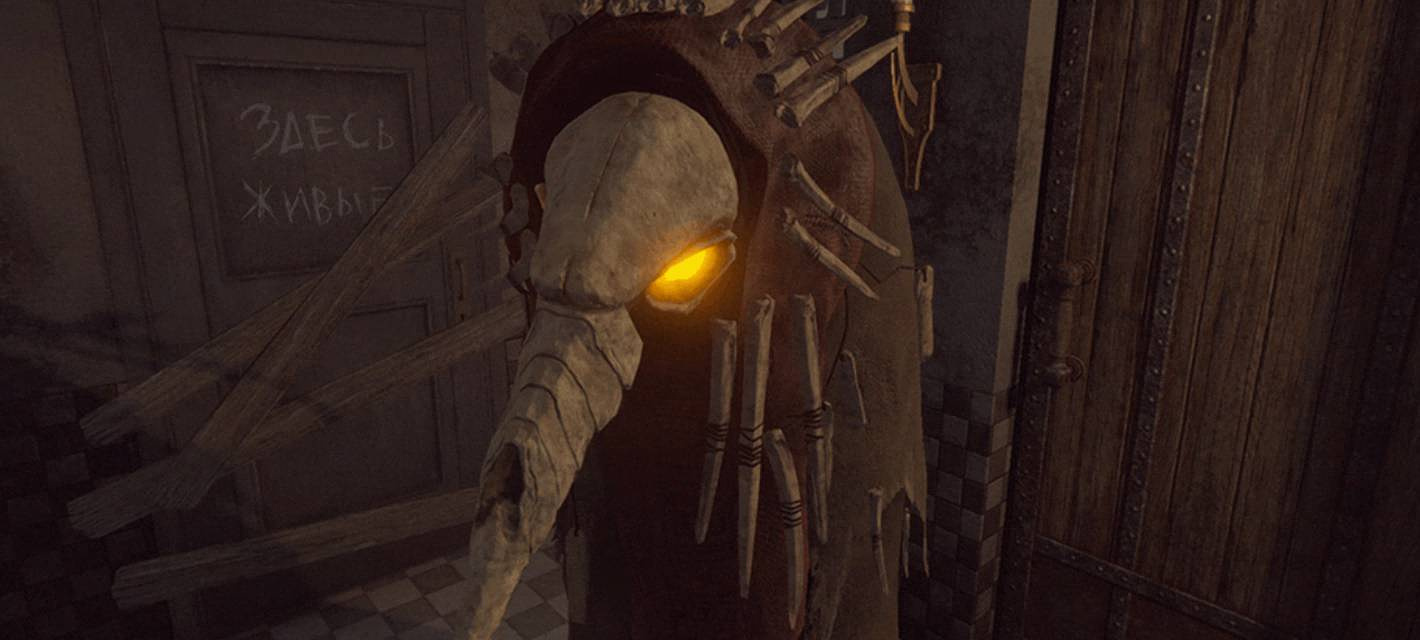

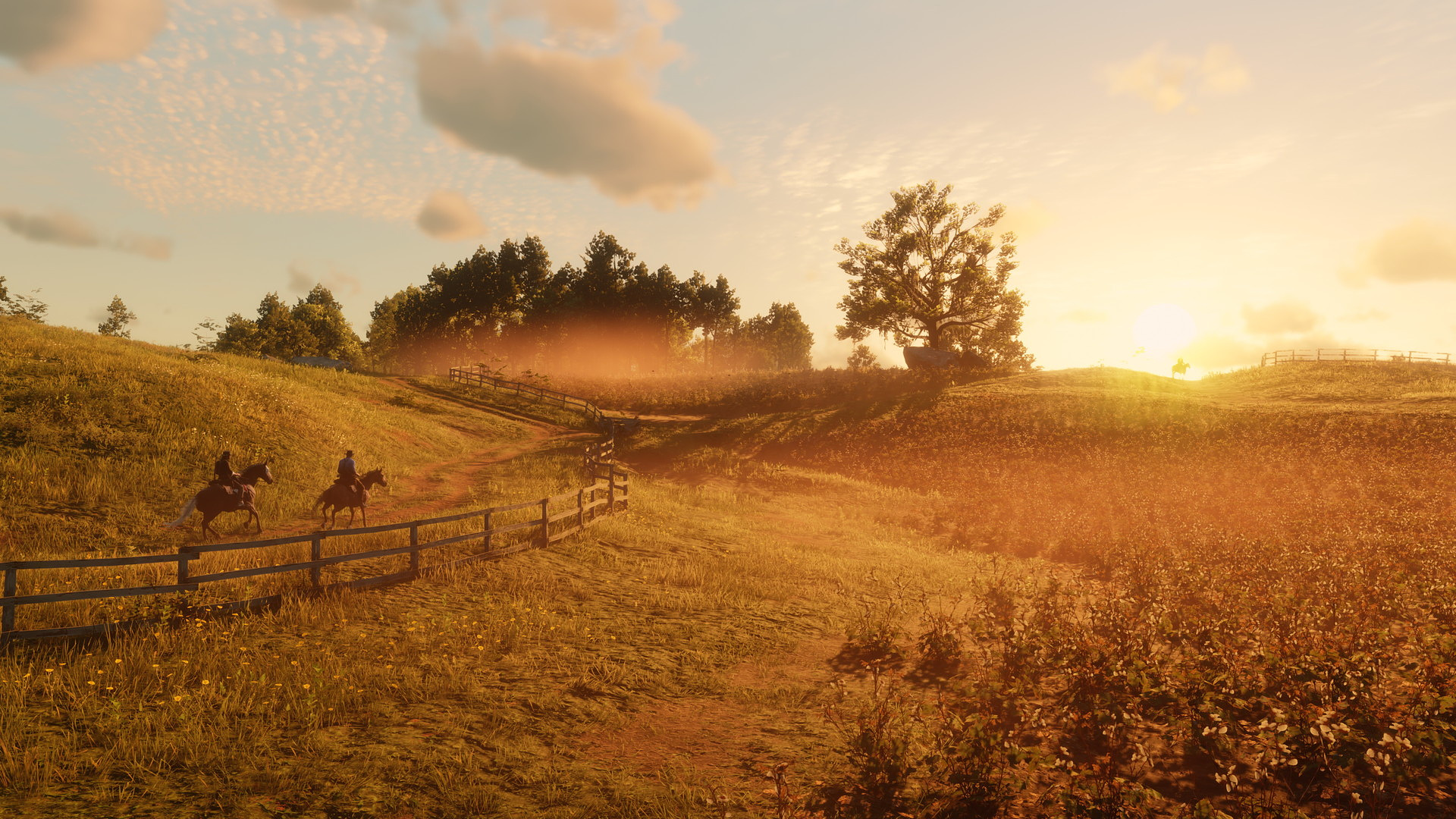
Wikipedia has a list of games believed to be artistic and, of course, it includes Pathologic 2. It also includes very popular projects produced by huge teams, such as The Legend of Zelda: Breath of the Wild and Red Dead Redemption 2. They are there as a reminder of the fact that gaming is also a technology race in which the ability to create something more advanced is valued: the biggest world, the most realistic graphics, and the most convincing interactions.
Artist’s games or games that are seen as works of art existed in the 1980s, but today, when making them has become much easier, they are much more common. Of course, there are plenty of opportunities for critique. For example, games uploaded on the itch.io platform are often criticized for being too short (in comparison to those made by big studios) and walking simulators are dismissed for their lack of game mechanics. Independent games in general are accused of not knowing how to sell themselves, and for being too numerous.
For those who wish to know more about the aesthetics of independent games and the conflict between games as a creative and a technological practice, I have put together a selection of articles and books that offer a more detailed analysis of the subject. For a broader perspective, I have included two texts from 2010: the NotGames manifesto and Roger Ebert’s “Video games can never be art.” These allow for a better understanding of the recent shift in public opinion regarding video games.
Articles
● Lana Polansky, Towards an Art History for Videogames.
● Brendan Keogh, There’s not enough videogames; everyone should be encouraged to make them (or, videogames are just art).
● Cameron Kunzelman, What Does It Really Mean to Be an Indie Game?
● Juliet Kahn, No girl wins: three ways women unlearn their love of video games.
● Wikipedia: List of video games considered artistic.
● Roger Ebert, Video games can never be art
Books
● Jesper Juul. Handmade Pixels. Independent Video Games and the Quest for Authenticity.