Computer Class: World Gone By
Публикация:
4 АВГ 2022
Объем:
4 minutes
Формат:
Special project

On December 20, the World Gone By Computer Class will close

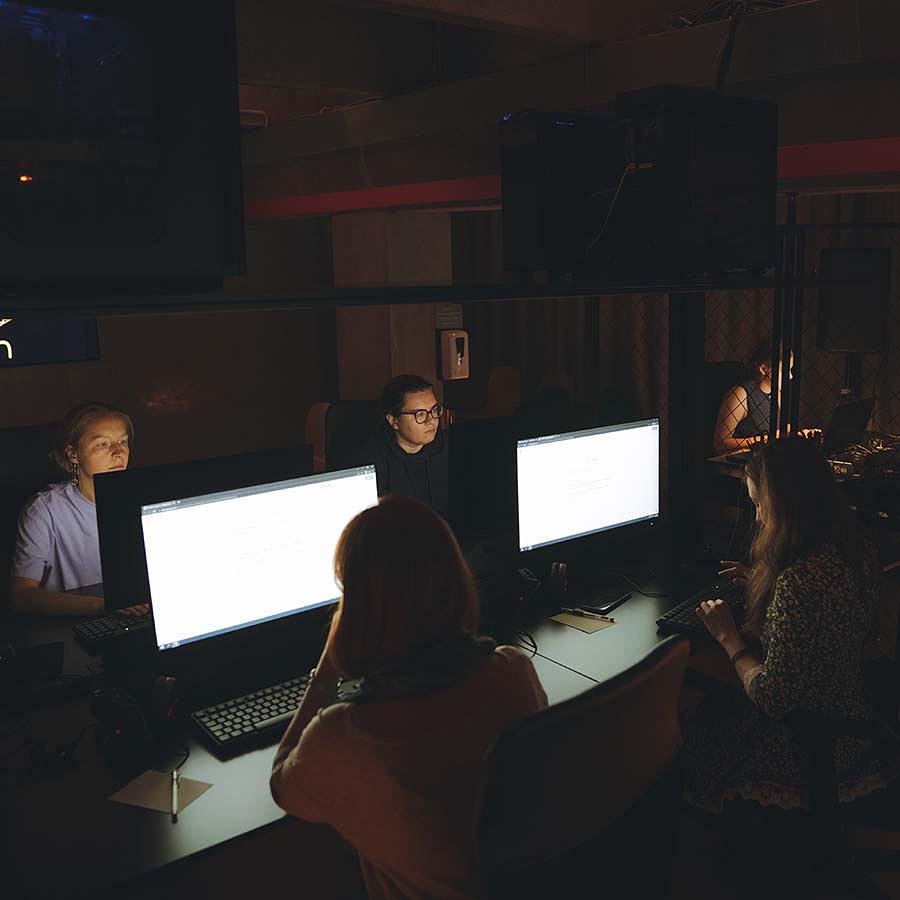
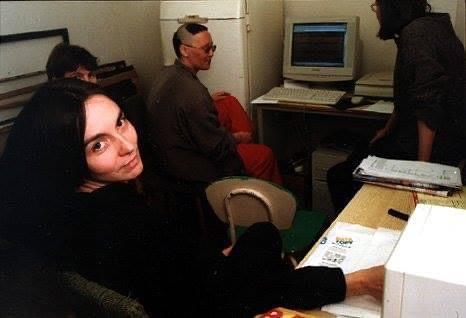
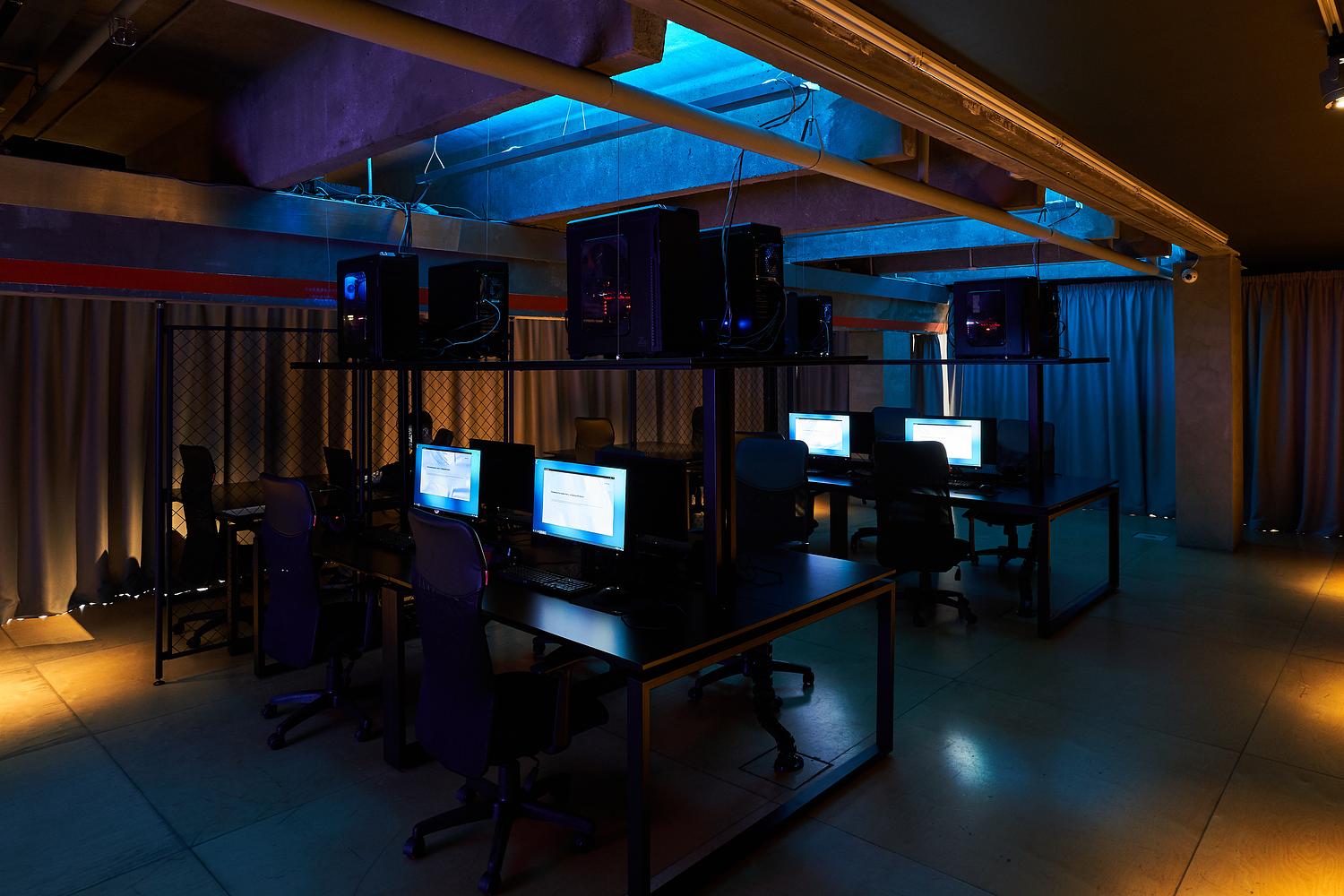
An open space for online work, meetings of various communities, acquiring practical skills for working in the digital environment, and finding out about artistic and theoretical aspects of the current state of the digital environment and its history.

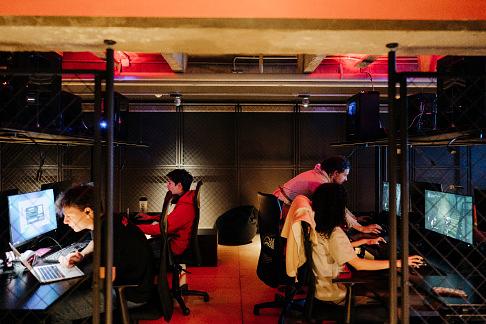
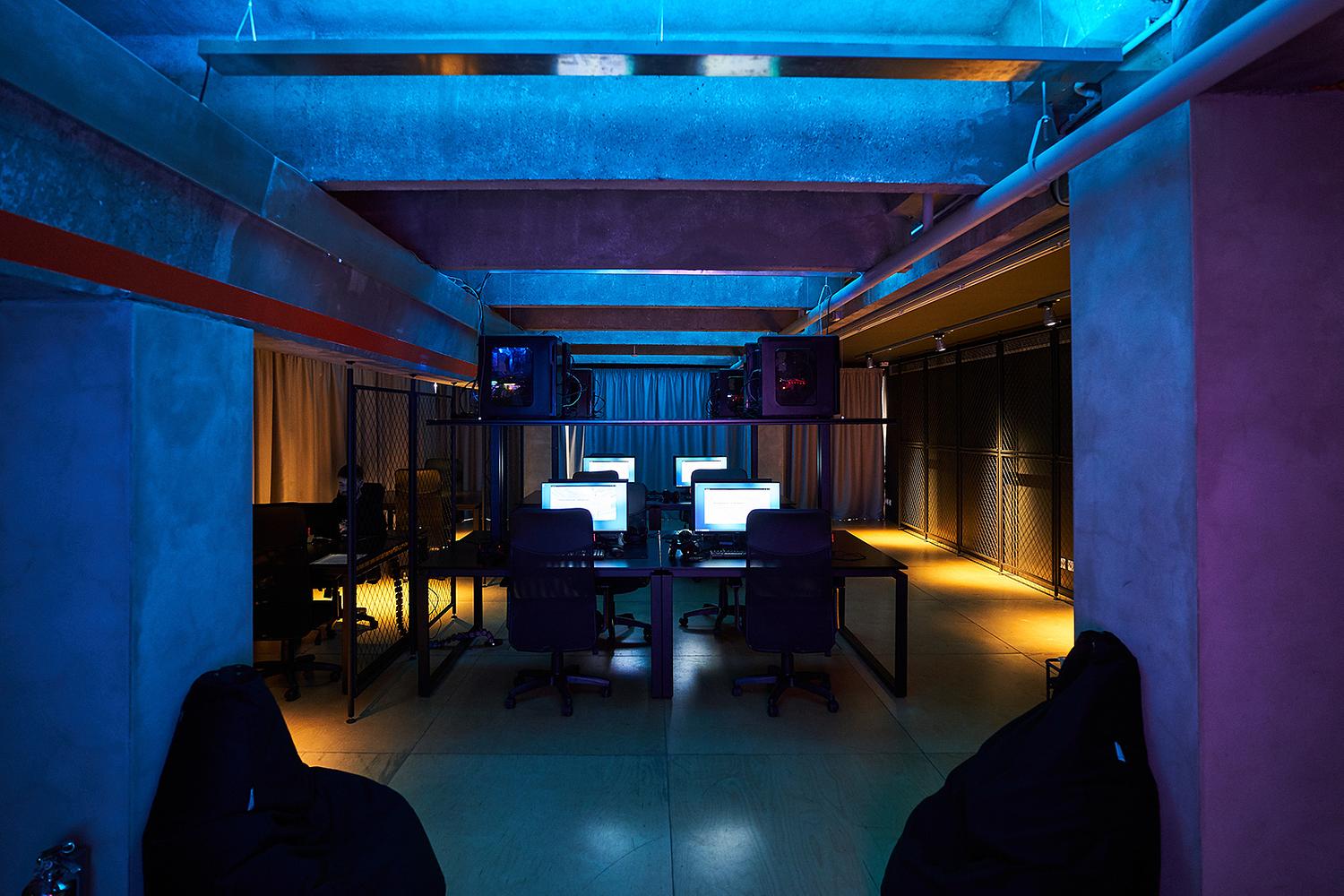
The World Gone By computer class is located in the space of the Coming World game club, a special section of the eponymous exhibition that took place at Garage in 2019 and explored how the virtual realms of video games and artworks model and study environmental problems, the Anthropocene, alternative life forms, and encounters with the post-apocalypse and dystopias.

For many researchers in Russia today, working with the areas listed above seems a lost opportunity (or one demanding restructuring), at a time when the post-apocalypse and dystopias are being devirtualized and unfolding in real time. Each major catastrophe and traumatic disillusionment and the destruction of the virtual properties of the world make inevitable the reorientation, study, and reassessment of previous efforts and also joint work with trauma and collective responsibility. That is why the place of games (the game club) has turned into a (computer) class: while not excluding games, it also offers other types of interaction.

The class World Gone By will be a space for meetings and cooperation, running lectures, masterclasses, and seminars about the history of computer communities, the creation of and work with digital archives, the development of digital literacy and digital security skills for the art environment, the analysis of the modern media environment, and the production of images using tools of the digital environment, taking into account and critically approaching its militarized genealogy. The computer class will familiarize learners with projects by Garage Digital and the Russian Art Archive Network (RAAN) and with thematic selections of media based on the Museum’s public program. It can also be used as a regular Internet café.

Launcher development: SA lab architectural laboratory


GARAGE DIGITAL PROJECTS

Projects created by artists and researchers within various Garage Digital areas that both use and critique the newest media and help navigate technologized contemporaneity through their imagery and topics.


RAAN PROJECTS

The Garage Archive Collection team has produced reviews of materials kept in the archive dealing with issues of freedom in conversations about art and strategies for reorganizing communities through digital associations.


GAME LIBRARY

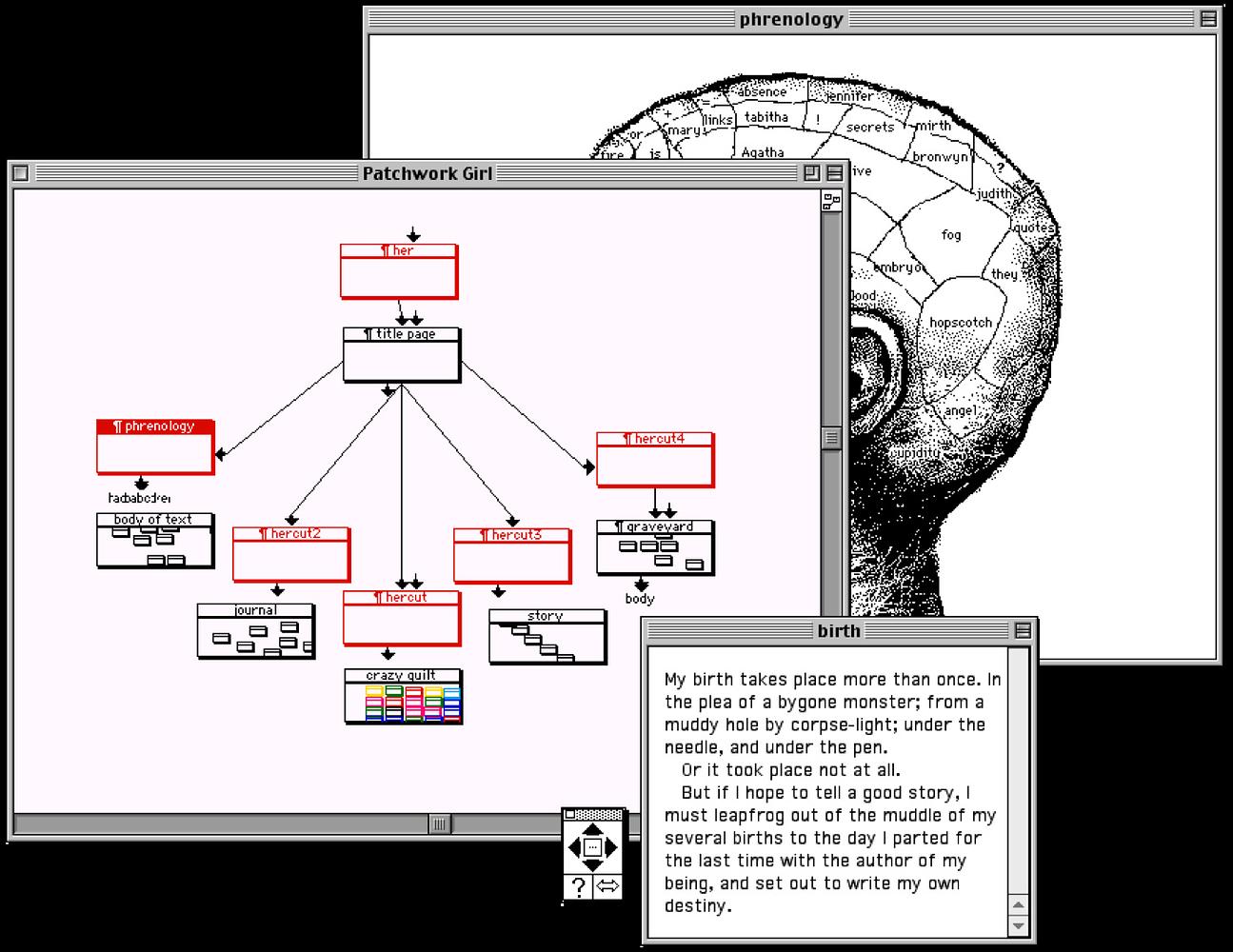
Especially for the World Gone By computer class, game designer and video game researcher Dmitry Vesnin has selected works that use nonlinear logics and navigation modes to explore the problems of algorithmic labor and address the history of early games and the sense of nostalgia.

Computer Class Rules

Связанные материалы
A masterclass on creating chatbots from Ilya Kulish
Дата:
August 19, 13:00–15:00
Место:
A discussion about the importance of digital adaptation of sites for users with disabilities
Дата:
December 15, 19:00–20:30
Место:
When designing sites, many developers use complex fonts with serifs and low contrast text and do not consider the option of using screen-readers.
The Genesis of Cyberculture. A Cyberfeminist View: Seminar by Irina Aktuganova and Alla Mitrofanova
Дата:
December 4, 16:00–18:00
Место:
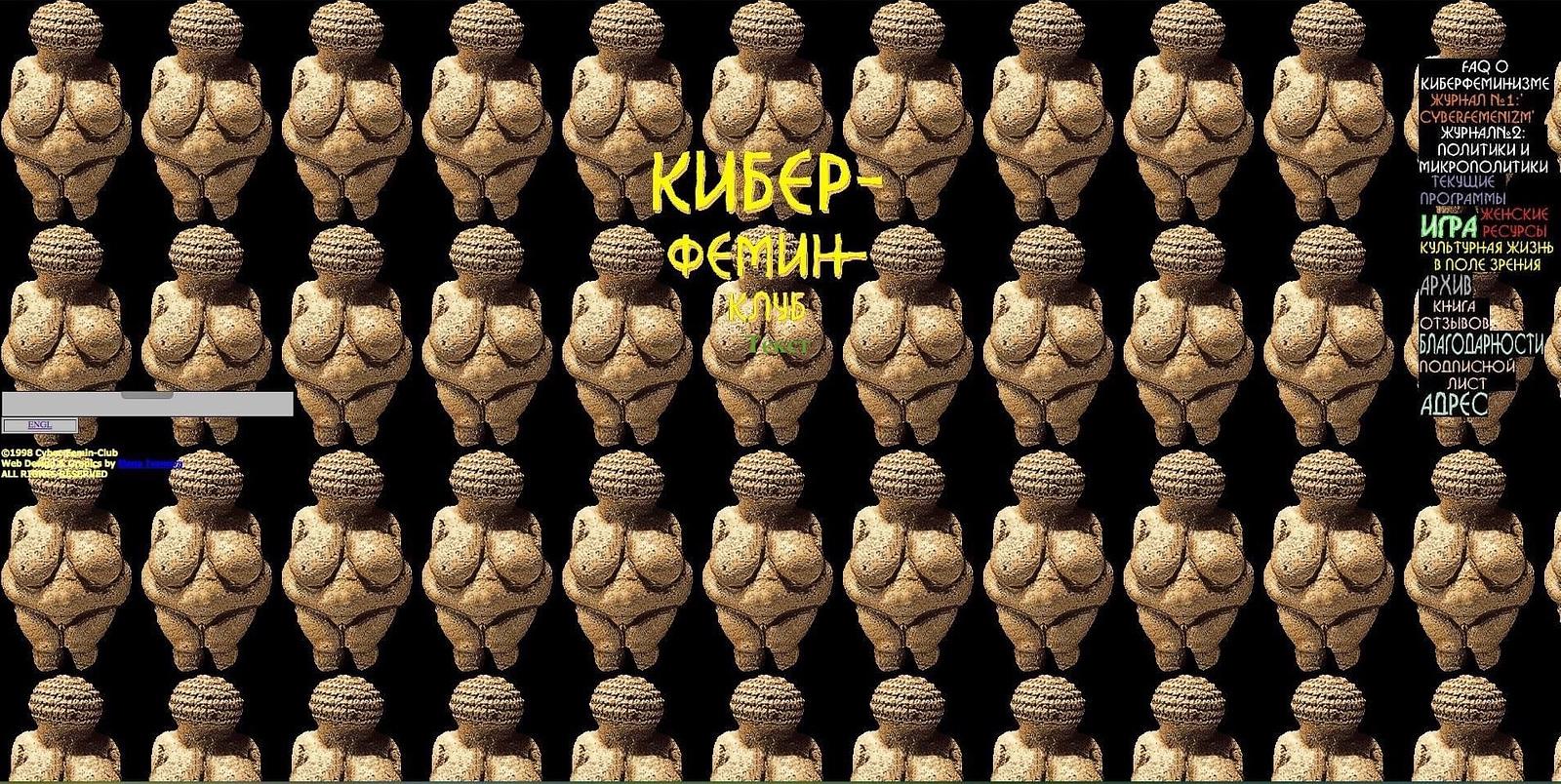
The founders of Cyber-Femin-Club suggest discussing the role of a feminist approach to cyberculture and its topicality for contemporary culture, and also the reasons behind the appearance of a third wave of cyberfeminism.
Overcoming Reading: A Series of Digital Literature Workshops by Ivan Netkachev
Дата:
August 3–August 10
Место:
Not Before and Not Since: A course on creating videos for teenagers aged 15 to 17 years
Дата:
Место:
Course participants will explore the possibilities of the moving image in today’s trembling times, learning, among other things, how movement describes the conditions in which the artist and their interlocutors find themselves.
A Place for Writing: A creative laboratory by the collective Digital Object Alliance
Дата:
November 24–December 1, 19:00
Место:
Participants in the laboratory A Place for Writing will be asked to think about how the “clarity” of texts can be defined today and to write texts calling for “clarity” when words are insufficient.
Sessions in the computer class World Gone By
Дата:
Место:
Computer literacy course for third agers
Дата:
November 13–December 7, 2022
Место:
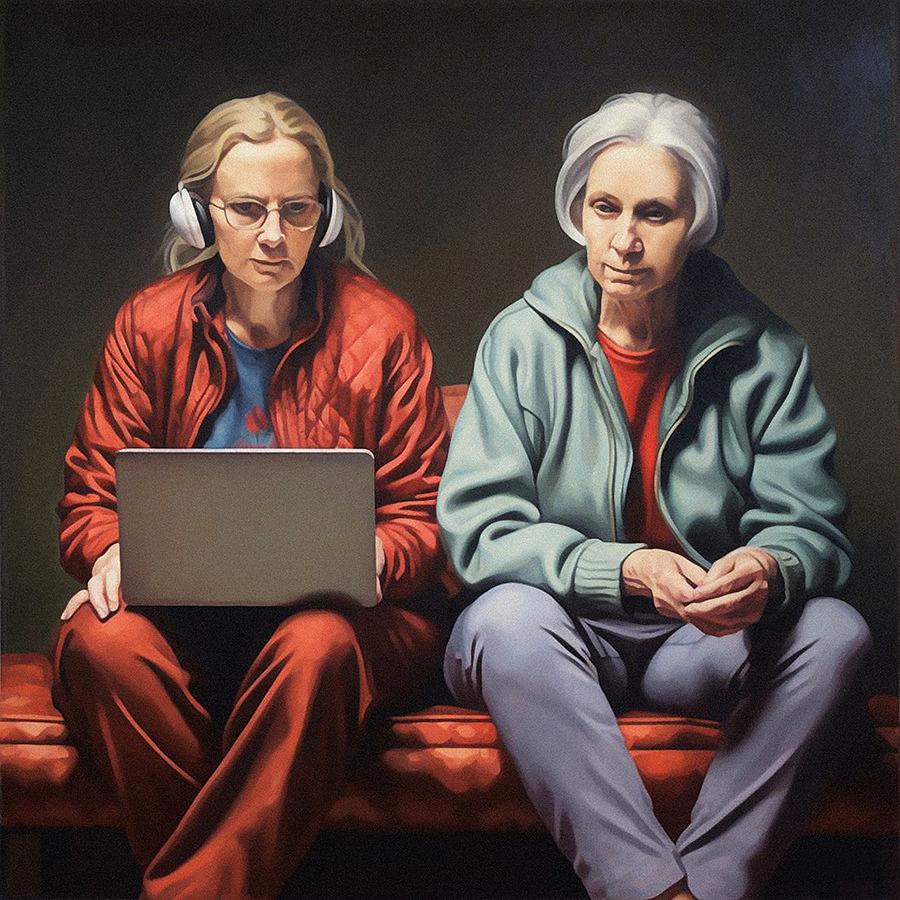
Sasha Puchkova and Anya Leonov, founders of the interdisciplinary art collective Digital Object Alliance (DOA), will run a computer literacy course designed for third agers who feel the need to improve their use of personal devices (phone, tablet, computer).
A Workshop by Maxim Anpilogov and Vera Barkalova on Assembling a Dirty Video Mixer
Дата:
June 4, 13:00–15:30
Место:
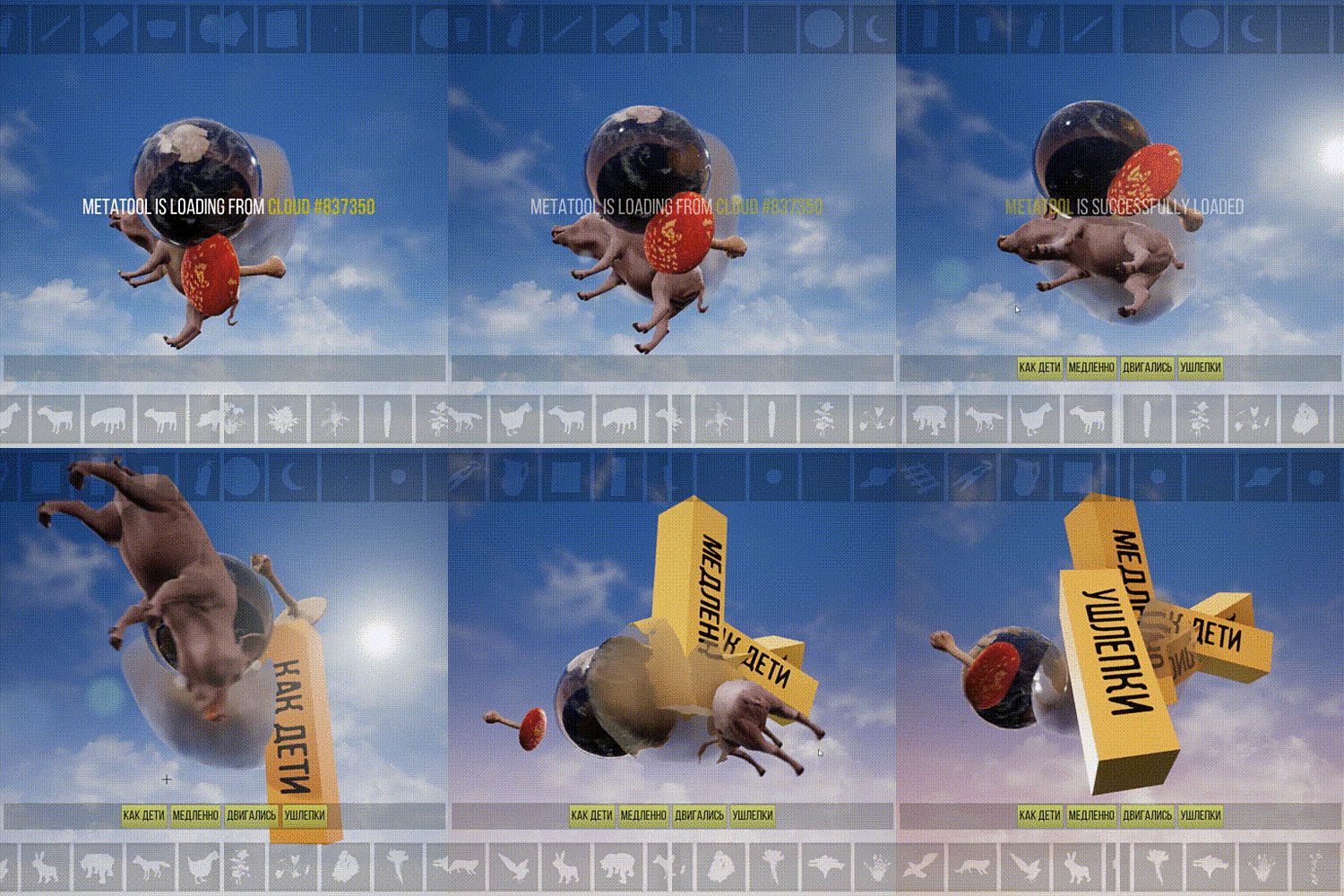
Game session with Mikhail Maksimov creator of the video game The Tool
Дата:
September 18, 17:00–18:30
Место:
The artist and creator of the video game The Tool, Mikhail Maksimov, will hold a joint game session at Garage Computer Class World Gone By.
Game of Life. Cellular Automata in Art, Science, Architecture, and Games: A Creative Programming Course
Дата:
August 27 – September 17
Место:
Difficult Questions about the Internet / Uncomplicated Internet: A Computer Literacy Course for Older People
Дата:
June 18–July 9, 11:00–13:00
Место:
Playing the Game: A Game by Asya Volodina
Дата:
June 10–November 19, 13:00–16:00
Место:
Artist Asya Volodina invites visitors to reflect on the present and future while playing a live-action role-playing game in Garage Computer Class.
A lecture and a masterclass on neural networks and image generation
Дата:
October 23, 14:00–16:30
Место:
The world of neural networks changes on a weekly basis, and new programs and unexpected results continually emerge. Artist Valeria Titova will talk about working with neural networks and demonstrate the general principles of text-to-image technology.
A Seminar by Ellina Gennadievna
Дата:
March 24 — April 7
Место:
Seminar participants—people with an interest in art, new technology, and contemporary philosophy—will create their own virtual worlds on the platform VRChat, which will be an aid to finding tools for developing research optics or will become experimental environments.
A performative non-lecture by the art collective Digital Object Alliance
Дата:
November 9, 19:00
Место:
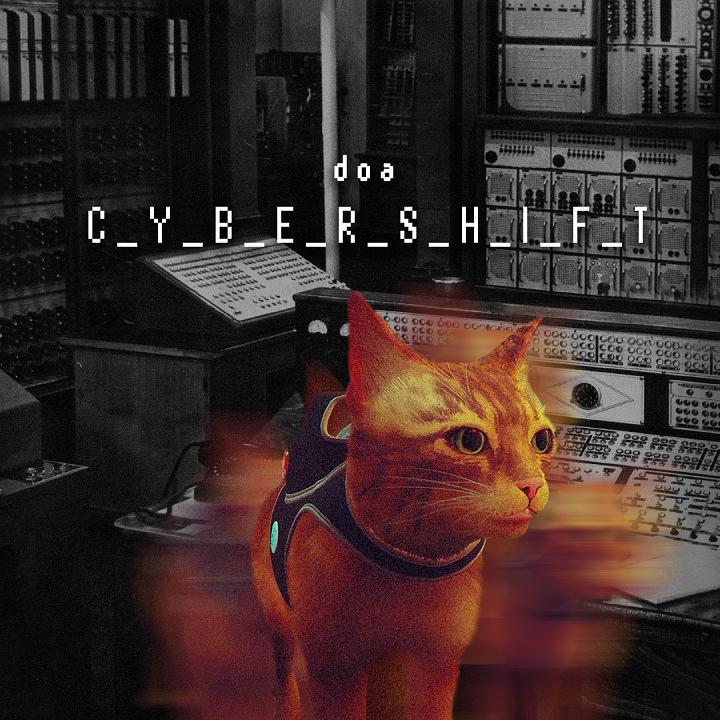
Sasha Puchkova and Anya Leonova, founders of the interdisciplinary art group Digital Object Alliance (DOA), will run a non-lecture-stream-asmr-meditation on the flickering status of cybernetics, the interweaving of science fiction and the scientific prerequisites for forming the contemporary digital dimension of everyday life.
A Paper by Max Naimark
Дата:
April 4, 20:00–21:00
Место:
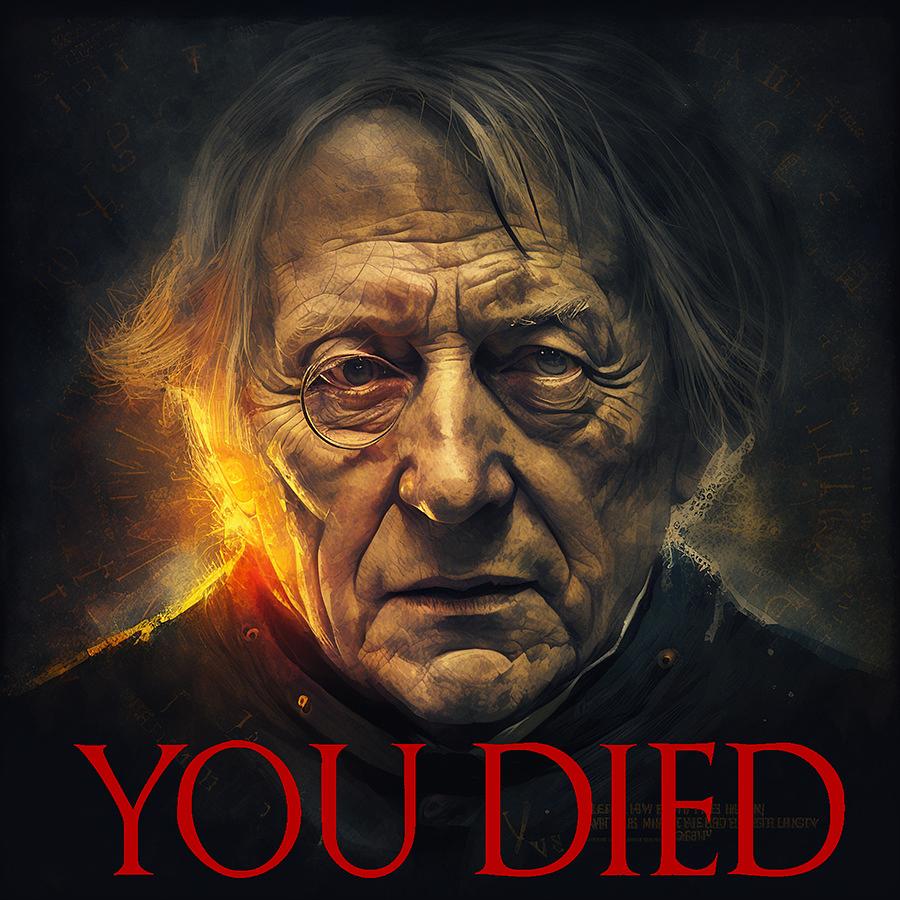
In Dark Souls, life as a postponement of death is always catching up with the player, who is awarded the epitaph “You died.” The regular repetition of the character’s death is scaled in the life of the player in order to achieve the completeness of reality—patterns are laid down in real life.
Presentation of The Motherboard, a project by Mascha Danzis
Дата:
November 5, 15:00–16:30
Место:
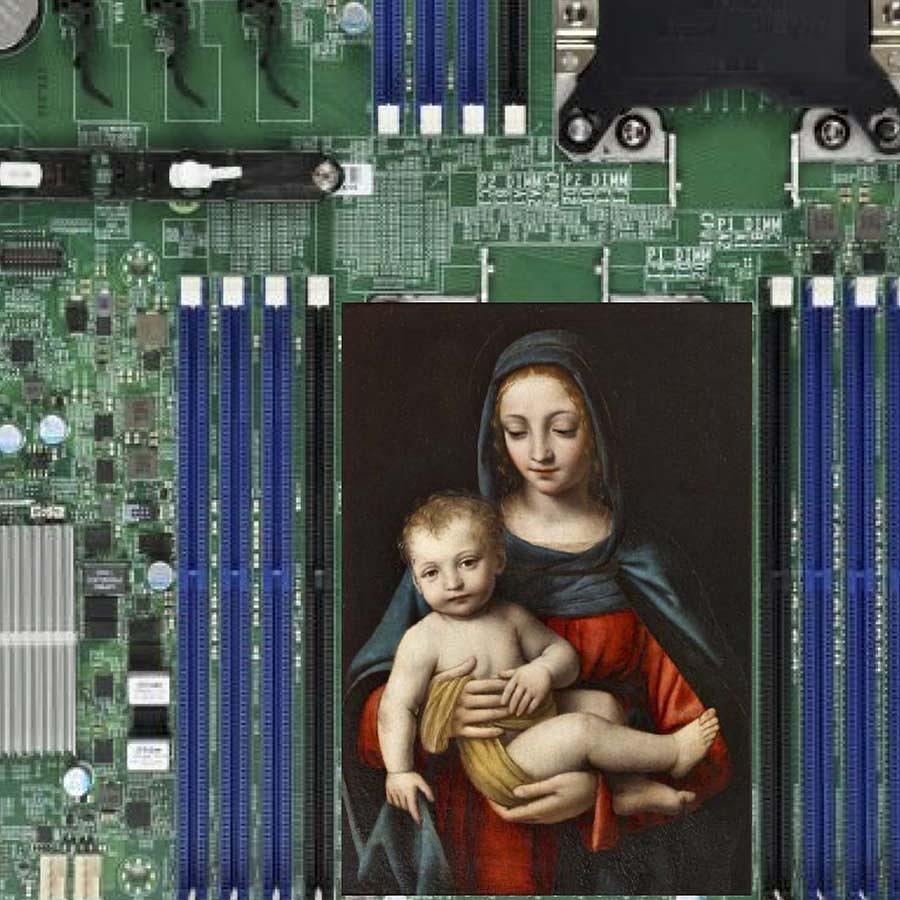
Mascha Danzis, winner of the Garage Digital Situated Worlds grant program, , will present her project The Motherboard. The presentation will be of interest to teenagers and their parents.
“Concluding Statements” from Participants of the Second Season of Alek Petuk’s Seminar The Door Opens from the Other Side
Дата:
April 30, 13:00–16:00
Место:
Passport to the Shredder, or On the Other Side of Bureaucracy: A Workshop on Generative Poetry by Ivan Netkachev
Дата:
December 22, 19:00–21:00
Место:
In this workshop about generative poetry, multimedia artist Ivan Netkachev will look at the role of violence in the language of bureaucracy.
Women’s Self-Organized Communities of the 1990s. A Cyberfeminist View: Lecture by Irina Aktuganova and Alla Mitrofanova
Дата:
December 4, 13:00¬–15:00
Место:
The founders of Cyber-Femin-Club will analyze the experience of women’s self-organized communities in the 1990s and explain how this experience can be used today.